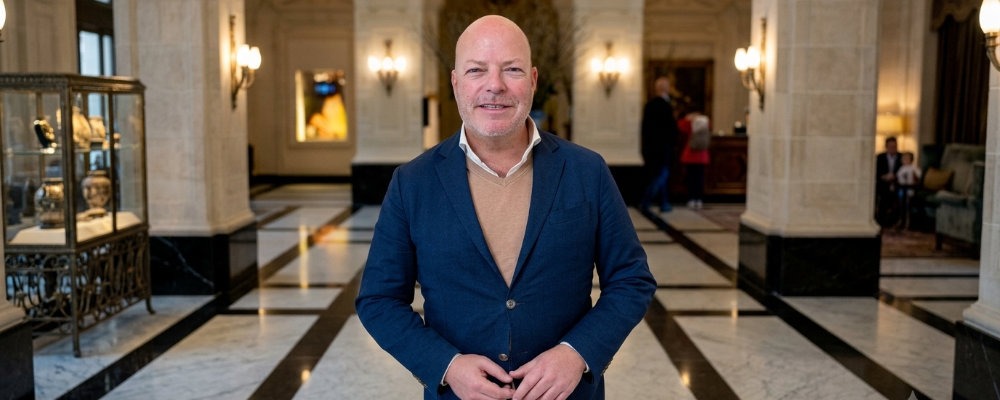
Nearly four decades in hospitality: the lessons of Sander Allegro

Hospitality, strategy, and innovation have been the common thread throughout Sander Allegro’s career for more than 35 years. What started as a passion for the hotel industry evolved into a diverse career as a consultant, entrepreneur, lecturer, speaker, and board member. Through his consultancy firm, Allegro Innovations, he supports organizations both within and beyond the hospitality sector. He is also Chairman of Quality Lodgings, a lecturer at Hotelschool The Hague, and a Visiting Professor in Lisbon.
In this interview, Allegro shares his perspective on hospitality, leadership, technology, and the challenges the industry will face in the years ahead.
From hotelier to consultant
Although I knew from an early age that I wanted to attend hotel school, I discovered during my first roles that my interests extended beyond daily operations.
After a short period in operations and as a general manager, I realized I was particularly fascinated by strategy, development, and innovation. That’s why I chose a career in consultancy.
After completing hotel school, I pursued a master’s degree. I then spent ten years working for a consulting firm before launching my own business.
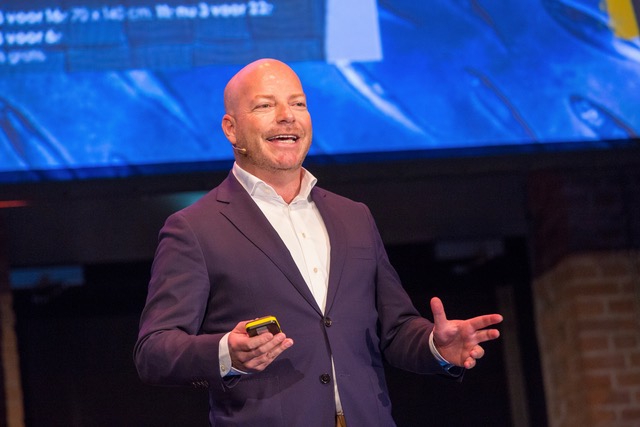
For more than 25 years, Allegro Innovations has been the foundation of my work. In addition, I hold several complementary roles. I speak at conferences, advise organizations, teach, and serve in governance positions.
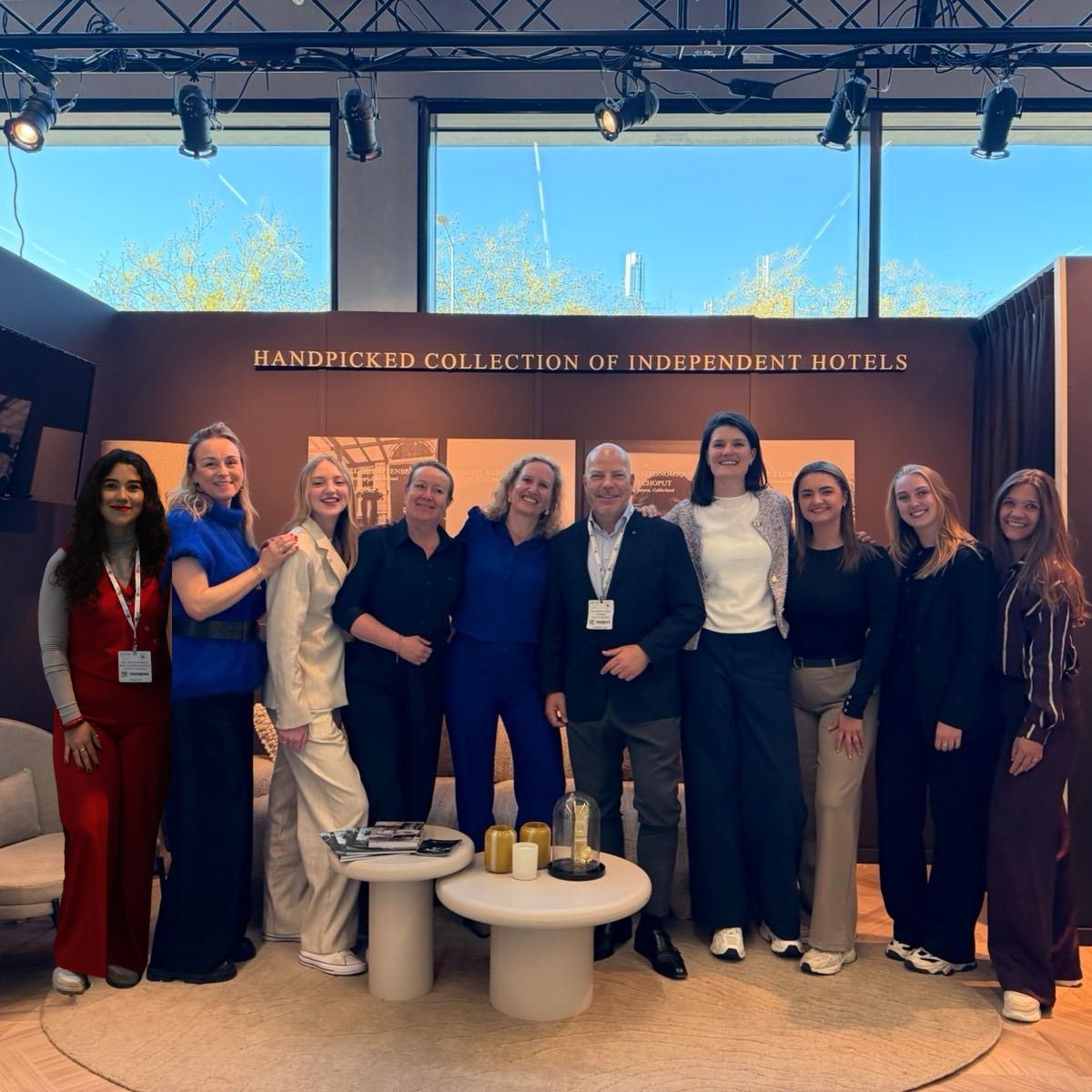
As Chairman of Quality Lodgings, I am involved with a collection of 134 independent quality hotels across Europe.
Hospitality as a mindset
For me, hospitality is much more than an economic activity. Hospitality is a mindset. It is about respect, attention, and genuine interest in people. That human aspect is what continues to inspire me.
At the same time, I appreciate the business side of the industry. Hospitality combines human connection with entrepreneurship. It is an international industry where results and guest experience go hand in hand.
The guest has changed
The way guests experience hotels has changed significantly over the past decades. Hospitality used to be more formal and ceremonial. There was greater distance between employees and guests. Today, those relationships are far more equal.
Guest expectations have also increased. People travel more, compare options more easily, and are better informed. As a result, they expect more. At the same time, they are looking for authenticity and genuine human connection. They do not want to see a performance; they want a sincere experience.
If you try to serve everyone, you end up serving no one
For me, future-proofing starts with making clear choices. You need to know which audience you want to serve, the position you want to occupy in the market, and the business model that supports it. Not trying to satisfy everyone is often one of the most difficult, yet most important, decisions.
Technology also plays an increasingly important role. For years, my guiding principle has been to find the balance between high-tech and high-touch. Technology can improve processes and support employees, but human interaction remains at the heart of hospitality.
That is why business leaders must carefully assess where technology adds value and where personal attention remains indispensable.
Leadership requires connection
Great hospitality leaders stand out because of their ability to connect different interests. A leader is responsible not only to guests and employees, but also to owners, suppliers, partners, and the wider community. Leadership is about bringing all those stakeholders together.
Culture also plays a crucial role. Culture is not created through posters on the wall or inspiring mission statements. Culture is created through behavior. Employees pay attention to what leaders do, not just what they say.
One of the biggest challenges I see is attracting and retaining employees. Younger generations view work differently. They seek flexibility, development opportunities, and a healthy work-life balance. Organizations must respond to these expectations without losing sight of quality and continuity.
Many companies think too short-term
A common mistake in hospitality organizations is focusing too heavily on the short term. Hotels operate 24 hours a day, seven days a week, making it tempting to focus exclusively on today’s operational demands.
As a result, there is often little room for reflection. The industry is highly solution-oriented, which is both a strength and a weakness. Organizations often jump to the first available solution. Sometimes it is better to step back and consider whether a second or third option may be more effective.
Technology will remain the biggest driver of change
Looking ahead to the next ten years, I expect technology to have the greatest impact on the industry. Not only within hotels, but across the entire economy and travel sector. Artificial intelligence, automation, and data will transform many processes.
At the same time, other themes will remain relevant. Labor shortages, sustainability, and individualization are not going away. Geopolitical developments will also have a growing influence on travel and business.
Another major trend is population aging. In the coming years, a great deal of experience will leave organizations. This creates opportunities for new generations but also means that knowledge and leadership capabilities must be rebuilt.
A new generation of professionals
I see clear differences between today’s hospitality professionals and previous generations. Younger people place greater emphasis on work-life balance. They have also grown up in a world where technology and data are a natural part of everyday life.
They ask different questions as well. They are less likely to accept that something is done simply because it has always been done that way. They want to understand the reasoning behind decisions. While this can sometimes be challenging, it ultimately makes organizations stronger.
Which skills will matter most?
While technological expertise is becoming increasingly important, I believe human skills will become even more valuable. As technology takes over more tasks, empathy, communication, resilience, and critical thinking will only grow in importance.
Creativity will also remain essential. In a world where artificial intelligence is becoming more accessible, human creativity becomes even more valuable. The professionals of the future must understand technology, but excel in the qualities that make people unique.
What education is missing
In my view, educational programs devote too little attention to the different forces that shape the hotel industry. Many students mainly learn about operations, while the industry is also deeply connected to real estate and investment, which are equally important.
These two worlds are closely linked. Many hotel companies operate properties that are owned by other parties. Anyone who wants to succeed in the industry must understand both perspectives.
Attracting talent deserves the same attention as guest marketing
Employers can learn a great deal from the way they market to guests. Hotels invest significant time and resources in understanding their guests. Why not do the same for employees?
Employer branding deserves the same level of attention. You need to understand who you want to attract, what motivates them, and why they stay. Then you need to deliver on the promises you make.
A career does not have to be defined by one role
Looking back on my own career, one insight stands out: many people believe a career consists of working for one employer or holding one position. My experience has shown that combining different activities can create a meaningful and fulfilling whole.
The combination of entrepreneurship, education, governance, and consultancy perfectly suits my curiosity. It was never part of a carefully mapped-out plan, but it has brought me a great deal of freedom and satisfaction.
Influential lessons in leadership
An important source of inspiration in my development was Ewout Cassee, former Director of Hotelschool The Hague.
He constantly challenged me to think more critically, innovate more boldly, and improve my analytical skills. It was not always comfortable. At times, I found it quite difficult, but that is precisely why I learned so much. He taught me to question my own assumptions and think more critically.
Proud of a diverse career
What am I most proud of? The combination of activities I have built over the years. It reflects who I am and gives me the opportunity to contribute to a variety of organizations and social initiatives. The blend of personal fulfillment and social impact is what makes my work meaningful.
A hotel experience I will never forget
Although I visit many hotels, the Carlton Hotel in Cannes remains a special place for me. I completed an internship there during my very first real hotel experience. This year, I returned after 38 years, this time as a guest and speaker.
What made it so special was that the hotel had taken the time to learn about my history as an intern there. Upon arrival, I discovered that they had arranged a beautiful room for me, along with several thoughtful gifts and personal touches. That warm welcome made the return even more meaningful. It felt like more than just a hotel stay; it was a moment where the past and present came together. That level of personal attention perfectly demonstrated what true hospitality is all about.
Integrity, consistency, and vulnerability
If I had to identify the qualities of a great leader, I would not choose just one. I would choose three: integrity, consistency, and vulnerability. A leader must provide direction, but also be willing to admit when they do not know something or when they have made a mistake.
That combination is what makes leadership credible.
Luxury Is becoming more human
One development that excites me is the changing definition of luxury. The best luxury hotels no longer distinguish themselves through gold-plated faucets or oversized rooms, but through human attention and genuine connection.
True luxury is created when employees, guests, and the surrounding community are connected. That is where the real value of hospitality lies.
Advice for young professionals
I have a clear message for young professionals: do not believe your first job needs to be perfect. Start working, gain experience, and discover what suits you along the way.
At the beginning of your career, curiosity is more important than certainty. Say yes more often than no. Step outside your comfort zone and view every experience as an opportunity to learn.
Inspiration through human connection
I draw inspiration from many different sources, but above all from meeting other people. At conferences where I speak, I often learn just as much from fellow speakers as I do from my own contribution.
I also find Simon Sinek inspiring. I admire the way he makes complex topics accessible and engages people through storytelling.
However, the most important lesson lies elsewhere: everyone has an interesting story to tell, as long as you are willing to truly listen.